
Earn while empowering children, teens, parents & educators.
Share Resources. Empower Families. Promote mental health, creativity and learning resources — and earn generous commissions for every referral.

Why Partner with Us?
Our affiliate courses are designed by experts who have years of experience
❤️
Promote high-quality resources
Every product you promote is designed to uplift, educate and empower — so you can feel proud of every referral.
💸
Earn 15–30% commissions per sale
Earn generous commissions by sharing high-impact tools designed for real emotional growth.
📈
Unlimited earning potential
Unlimited earning potential with every product you promote — all while helping children, teens and families thrive.
👩🏫
Perfect for educators, content creators and parents
Ideal for educators, creators and mums & dads — turn your passion for helping kids into passive income.
🎁
Exclusive bonuses + early product access
Join today to access new launches before the public — plus earn extra rewards along the way.
💬
Supportive team & easy-to-use dashboard
You're never alone — our friendly team and intuitive dashboard make promoting simple and stress-free.

5+Courses

5k+Happy Clients

10+Programs

About us
About Parent Teacher Affiliate
Parent Teacher is a heart-centered platform dedicated to supporting the education, mental health, creativity and resilience of children, teens and their families.
Created by educators and mental wellness advocates, our tools are designed to bridge the communication gap between parents and their children and to help young people feel seen, supported and inspired.
Our offerings include:
📘 Guided mindset programs
🎨 Creative writing & art competitions
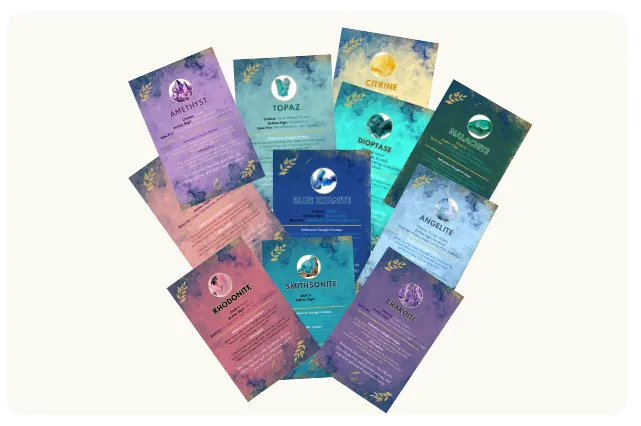
🃏 Crystal-themed cards for emotional support
🧠 Free printable tools & resources
Whether you're a parent, teacher, coach or creative — we invite you to join our mission and grow with us.
What You’ll Be Promoting
What Can You Share & Earn From?
Crystal Card Packs
Mental health tools for teens

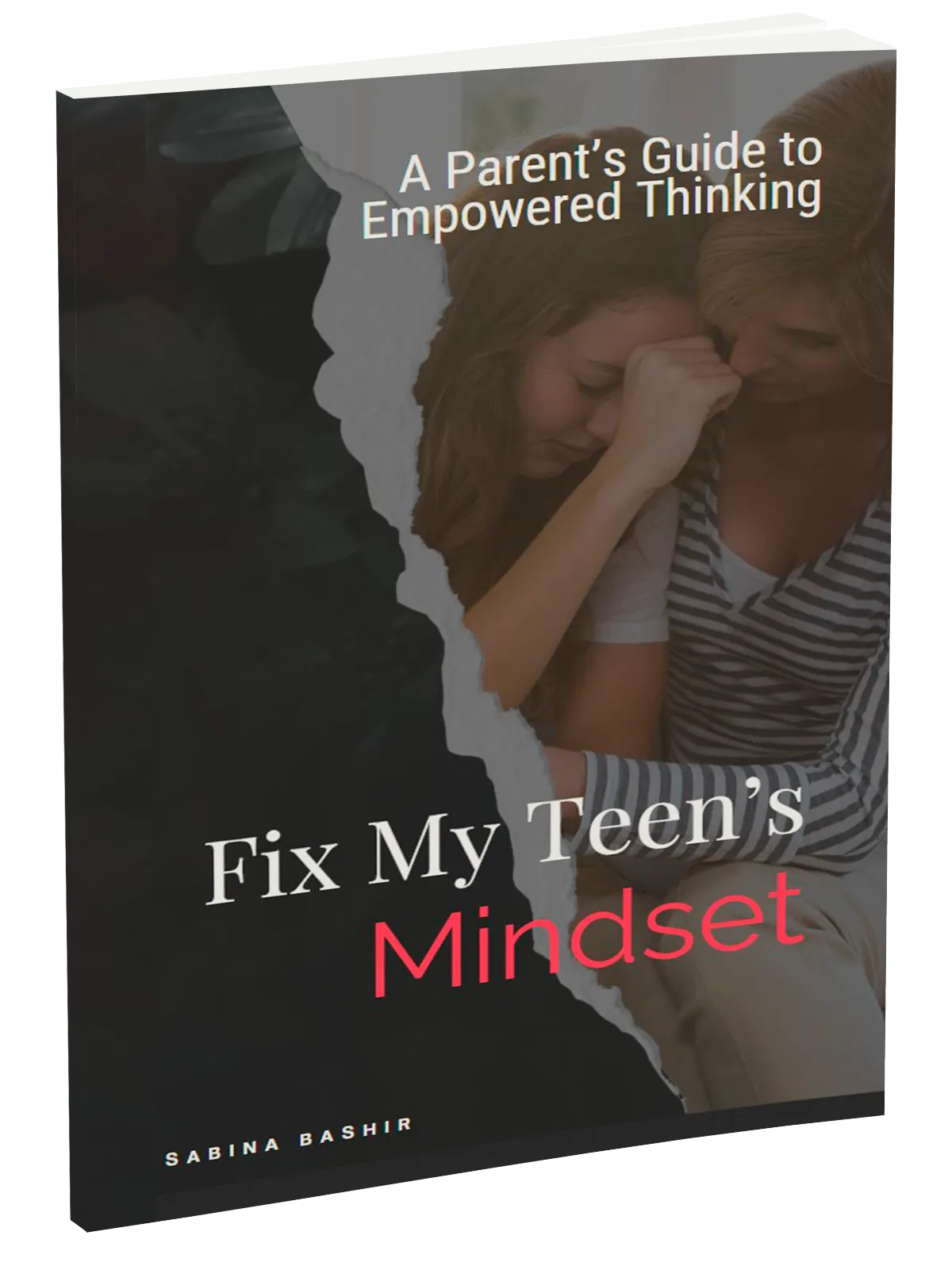
Teen Mindset Program
6-week emotional growth course
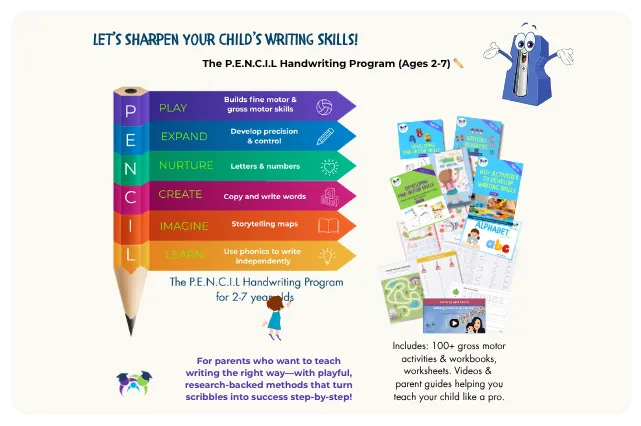
P.E.N.C.I.L Program
Educational and Wellbeing Products - More courses available soon
Your Path to Passive Income
Turn your passion for helping families and teens into a steady income — without stocking products, dealing with customer service, or investing in ads.
How It Works
It’s Simple and Rewarding
1️⃣ Sign Up
It’s fast and free
2️⃣ Get Your Unique Link
Share it anywhere
3️⃣ Earn Commission
Get paid monthly for every sale
Loved by Affiliates & Families Alike
Our courses are designed by experts who have years of experience and proven results in the education space.

"As a teacher with over 15 years of experience, I’m very selective about the programs I recommend to my network. These courses are not just theory—they’re practical, engaging, and grounded in solid educational research. My referrals consistently report remarkable improvements in their children’s confidence, communication, and learning mindset. Partnering with this team has been one of the easiest and most rewarding decisions I’ve made."

James L., Teacher & Education Affiliate
"As a parenting blogger, I’m constantly reviewing products and courses aimed at supporting families. What sets these programs apart is the heart and expertise behind them. Every lesson is crafted with both children and parents in mind, making it easy to build stronger connections while boosting learning outcomes. My readers love them, and I’ve seen first-hand how they transform everyday family life."

Emma R., Parenting Blogger
"I originally joined as a parent wanting to help my own children, but I was so impressed with the results that I became an affiliate. I set up my affiliate link once and shared it with my Facebook group. Now, I receive monthly commissions just from one post!”

Sarah P., Parent & Affiliate Partner
Ready to Join Our Affiliate Family?
Let’s grow together. Empower families and earn along the way.
Our Latest Articles

Does the 11+ Include Creative Writing? Why Handwriting Matters
Does the 11+ Include Creative Writing? Why Handwriting Matters
If your child shakes out their hand after half a page, or tells you it hurts, read this.
For years, many 11+ papers have been marked by a computer. Children tick boxes on an answer sheet and no examiner ever sees a sentence they've written.
In the past, children were generally expected to arrive at secondary school with good, legible handwriting.
But the 11+ is changing.
Does the 11+ include creative writing? It depends on the grammar school. Most traditional 11+ tests don't include creative writing, but some schools set their own tasks, and the newer FSCE examination can include handwritten answers and creative writing. That means handwriting is becoming an important part of 11+ preparation for some children.
And here's what worries me.
A child might know exactly what they want to write, have a wonderful imagination and excellent vocabulary, but what happens if their hand starts hurting after ten minutes?
Or their writing becomes so untidy that the examiner struggles to read it?
In 30 years of teaching, I've seen that the problem isn't always what children know. Sometimes it's getting what they know onto the page.
Which 11+ exams include creative writing?
First, check the admissions page of the grammar school your child is applying to. Not every 11+ exam includes writing, and even schools using the same examination provider can have different papers.
Here's the difference.
GL Assessment: One of the main 11+ providers. Its standard tests generally use multiple-choice questions in English, maths and reasoning. However, individual schools may set additional writing assessments.
FSCE (Future Stories Community Enterprise): A newer 11+ examination provider being adopted by a growing number of grammar schools. Its assessments can include multiple-choice questions, short written answers and creative writing.
But not all FSCE schools include creative writing.
For example, Heckmondwike Grammar School and the Halifax grammar schools include creative writing assessments, whereas other FSCE schools use different combinations of papers.
So check your chosen school's latest admissions information and familiarisation materials, because examination formats can change from year to year.
Now, whether your child's 11+ includes writing or not, there's something worth understanding about why these changes are happening.
Why I think writing tasks are being introduced to the 11+
One of the stated aims of the newer assessments is to make grammar school admissions fairer and reduce the advantage children gain through intensive tutoring.
Personally, I have my doubts about that argument.
Creative writing is a skill. Which means it can be taught, so it can be tutored.
Children can learn to develop characters, describe settings, structure stories and use ambitious vocabulary.
So if the aim is to reduce tutoring, why introduce something that can also be taught?
And why introduce an assessment that requires teachers to spend additional time reading and marking children's work?
Surely there has to be a benefit to the school.
This is my own opinion, but I think there may be another reason.
Handwriting.
I'm not suggesting grammar schools have officially introduced writing tasks to assess handwriting. There's no published evidence that's their intention.
But the one thing a multiple-choice paper can't check is a child's handwriting.
And from what I've seen in classrooms, that is becoming a very real problem.
What's happening to children's handwriting?
Over the last few years, I and other teachers have witnessed an alarming decline in children's handwriting.
Many children now spend hours playing computer games and using consoles, sometimes at the expense of activities that involve climbing, building, drawing, making things and using their hands.
Those activities help children develop coordination, strength and fine motor control.
Of course, screens aren't the only reason children struggle with handwriting. There are several possible causes, and some children have genuine physical or developmental difficulties.
But teachers are seeing children who struggle to hold and control a pencil, form letters properly or write comfortably for extended periods.
For some, writing for 40 minutes becomes a real challenge.
And there's another problem.
Even when children can physically write, the effort of handwriting can interfere with their ability to think.
Why your child's stories sound better than they look on paper
Have you ever asked your child to tell you a story?
They start talking and suddenly there's an entire adventure.
Characters, conversations, dramatic events, unexpected endings.
Then you ask them to write it down.
And you get five rather disappointing sentences.
What happened to that wonderful story?
One explanation is something psychologists call automaticity.
This is when a skill becomes so well practised that your brain no longer has to think consciously about every part of it.
Think about learning to drive.
At first, you're concentrating on the clutch, gears, mirrors, steering wheel and everything happening around you.
Having a conversation at the same time can feel impossible.
Eventually, many of those actions become automatic, freeing up your attention for other things.
Handwriting works in a similar way.
When children are still concentrating on forming individual letters, joining them correctly and controlling their pencil, they're using thinking space that could otherwise be spent on their ideas.
Now imagine asking that child to write a creative story.
They must think about vocabulary, characters, sentence structure, spelling, punctuation and what happens next.
All while concentrating on how to physically write each word.
It's a lot to manage.
The Department for Education's Writing Framework recognises this, explaining why handwriting needs to become automatic so children can concentrate on composing their writing.
Your child might know exactly what they want to say. But if handwriting is taking up too much of their attention, they may struggle to get those ideas onto paper.
And that's before we consider what happens when their hand starts to hurt.
Why your child's handwriting matters to the person marking it
Spoiler alert.
As a teacher myself, I mark the untidiest books LAST.
Why?
Because I can read neat writing quickly and get those books out of the way the fastest.
Untidy, illegible handwriting can take more than double the time to mark.
So do you think a grammar school wants its teachers spending lesson after lesson trying to decipher children's handwriting?
Or would a teacher's time be better spent preparing quality lessons and helping children learn?
When I first shared my thoughts about this on Facebook, a GCSE and A-level teacher who had previously worked as an examiner replied.
She agreed that there had been a marked decline in students' handwriting.
But she also raised something important.
A child might have written an excellent piece of creative writing, but if the examiner can't read it, how are they supposed to know?
And this doesn't just apply to the 11+.
In October 2026, Pearson Edexcel published guidance explaining that although examiners make reasonable efforts to interpret students' handwriting, wording that cannot reliably be understood cannot always receive credit.
There's an important distinction here.
Messy handwriting doesn't automatically lose marks. Illegible handwriting can.
Now imagine your child sitting an 11+ creative writing paper.
They have an excellent idea, a strong vocabulary and a wonderful imagination.
But halfway through, their hand starts aching.
They shake it out, grip their pencil again and continue.
Their writing becomes messier. They start rushing because time is running out.
And the examiner can no longer clearly read everything they've written.
That's why handwriting deserves attention before the examination, not just when children are learning how to write stories.
Can't write neatly, or can't be bothered?
Here's something else I've noticed after 30 years of teaching.
Sometimes children don't write neatly, not because they can't, but because they have the wrong attitude towards their work.
I've had children who, when asked why they've written so untidily, openly admit:
"I can't be bothered."
To which I reply:
"I can't read it. Do it again."
But not every child with messy handwriting is being careless.
Some genuinely struggle.
They may have difficulty controlling their pencil, forming letters correctly or maintaining their writing for more than a few minutes.
And here's something parents often don't realise.
A child who says, "I can't be bothered," might actually be avoiding something they find genuinely difficult.
Think about it.
If every time you wrote something, your hand hurt, your letters looked untidy and someone told you to do it again, how enthusiastic would you be about writing?
So before deciding your child is simply being lazy, it's worth finding out what's happening.
Try this at home
Take a paragraph from your child's reading book and ask them to copy it for five to ten minutes at a comfortable pace.
Don't correct them while they're writing.
When they've finished, compare the first few lines with the last.
Look at these four things:
Legibility: Can you read the words without asking what they say?
Consistency: Does the writing deteriorate towards the bottom of the page?
Comfort: Does your child grip the pencil tightly, press heavily, shake their hand or complain of pain?
Speed: Can they write at a reasonable pace without losing control of their letters?
If their writing becomes progressively untidier, tiredness or writing stamina could be part of the problem.
If it's messy from the beginning, they may need help with letter formation, pencil control or established habits.
But one exercise can't tell you the exact cause.
And handwriting that looks careless doesn't necessarily mean your child isn't trying.
If writing regularly causes pain, don't push them to keep going. Speak to their teacher about what might be causing the difficulty.
The important thing is knowing whether your child needs specific handwriting teaching, support with physical difficulties or more consistent expectations about their work.
Because those are three very different things.
Is Year 4 or Year 5 too late to improve handwriting?
No.
Handwriting is a skill too. Which means it can be taught.
I still correct children's handwriting in Year 7, so it's not too late if your child is in Year 4 or 5.
But the sooner you start, the more time they have to develop comfortable, fluent handwriting before an important examination.
And that doesn't mean making them copy pages and pages of writing every evening.
If their problem is letter formation, simply writing more won't necessarily correct it.
If their hand becomes tired or painful, pushing them to write for longer isn't the answer either.
Start with the actual difficulty.
Does your child struggle to form certain letters?
Are the letters different sizes?
Are words running into one another?
Does their writing become harder to read as they continue?
Or can they write neatly when they choose to, but rush through their everyday work?
Once you understand what's happening, you can work on the particular skill they need.
If you want to understand the handwriting expectations at the end of Key Stage 1, I've also explained them in What Should a Year 2 Child Know in English?.
And remember, the goal isn't beautiful handwriting.
It's handwriting that is comfortable, fluent and easy to read.
Parents also ask
How do I find out if my child's 11+ includes creative writing?
Check the admissions page and familiarisation materials for your chosen grammar school. Different schools can use different papers, even when they use the same examination provider. Make sure you're checking the arrangements for your child's actual year of entry.
Does messy handwriting lose marks in the 11+?
Not necessarily. Neatness isn't always assessed separately, but where an examiner needs to read a child's answers, illegible handwriting can make it difficult to award credit. Check the school's published marking criteria.
Does my child need joined-up handwriting for the 11+?
Not necessarily. What matters is that their handwriting is legible, comfortable and sufficiently fluent. Joined-up writing may help some children write more efficiently, but it shouldn't make their writing harder to read.
Is Year 5 too late to improve handwriting?
No. Children can improve their handwriting well beyond primary school. However, the earlier you identify the problem, the more time they have to practise before the examination.
What if my child has a genuine handwriting difficulty?
Speak to their teacher and, where appropriate, the school's special educational needs coordinator. Some children may be eligible for reasonable adjustments in entrance examinations. Contact the grammar school's admissions team well before the test to check its requirements.
One final thing
At secondary school, teachers generally expect children to be able to write fluently.
They're teaching science, history, geography, English and maths. They aren't usually spending lessons teaching children how to form individual letters.
And by GCSE and A level, some students need scribes, speech recognition or other arrangements because writing presents a genuine barrier.
These arrangements are essential for children who need them.
But I can't help wondering how many handwriting difficulties could have been identified and supported much earlier.
A multiple-choice paper can hide a handwriting problem.
A writing task can't.
And whether or not handwriting played any part in grammar schools' decisions to introduce these assessments, it's an important skill that children need long after the 11+ is finished.
The good news?
Handwriting isn't fixed. It's a skill, and skills can be taught.
Not sure if your child can't write neatly or just can't be bothered?
I'd be happy to take a look at a sample of their everyday handwriting.
If you're reading this through my Facebook post, tap my name and select Message to send me a private message. Tell me which school year your child is in and attach a clear photograph of their writing.
If you're reading this on my website, use my Contact Us page, mention "handwriting" and tell me your child's year group. I'll let you know how to send your sample.
Please cover your child's name and any personal information before sharing it.
I'll look at the writing myself and explain what I notice and which area I'd suggest addressing first. It won't be a diagnosis, but it can help you understand what to look at next.
Because your child shouldn't have to wait until an important examination to discover that their handwriting is getting in the way of what they know.

Frequently Asked Questions
You Might Be Wondering...
Is this free to join?
Yes — there’s no cost at all. In fact we provide our most successful affiliates their own webpage to sell from free of
charge.
How much can I earn?
You earn 30% commission on your first sale and then 15% on every sale your customer makes after that, for the
lifetime that your customer remains with us. This means you could be earning passive income from one customer for
years to come, as they buy new products. So there is capacity to earn passive income into the future, the more
customers you get.
In addition, if you introduce an affiliate to our program, you can earn a further 5% on all their customers' sales too.
Please be aware, we are very selective about our affiliates and they must meet our values and expectations. Otherwise their applications can be revoked according to our terms and conditions.
How do I promote?
We’ll send you images, captions and your unique link. We are also able to provide you a dedicated webpage with our
our products with your link on, that you can direct traffic to, this can generate you further income easily.
When do I get paid?
Payouts are processed 60 days and one week after a customer’s purchase, and are made via PayPal.
This time frame is necessary because of banking requirements, as we have to allow 2 months for any customer refunds.
You must also reach the £100 minimum payout threshold. Otherwise, frequent smaller payments would reduce your
commissions unnecessarily due to PayPal and banking fees, which are charged on every transaction.
By keeping payouts less frequent, we reduce charges—meaning you earn more.

Our affiliate courses are designed by experts who have years of experience and proven results in the affiliate marketing industry.
Explore Site
Newsletter
Subscribe To Our Newsletter
Copyright 2025. All Right are Reserved. The Parent Teacher